
Stop letting that box of tangled chargers, old Nokia flip phones, and long forgotten about laptops sit in a box in your closet for those ‘just-in-case’ moments. Most of us are guilty of having a quiet tech graveyard of devices we no longer use but never quite dealt with. The problem? Old electronics aren’t just clutter; they can harm the environment, put your personal data at risk, and waste valuable materials that could be reused instead of ending up in your local landfill. The good news is that properly recycling your e-waste is easier than most people think. You don’t have to take a mini road trip to a hazardous waste facility in the middle of nowhere. In this blog, we’ll cover which electronics you can (and can’t) recycle, the environmentally responsible benefits of e-waste recycling, and how Element Recycling helps support better waste management and make the process stress-free.
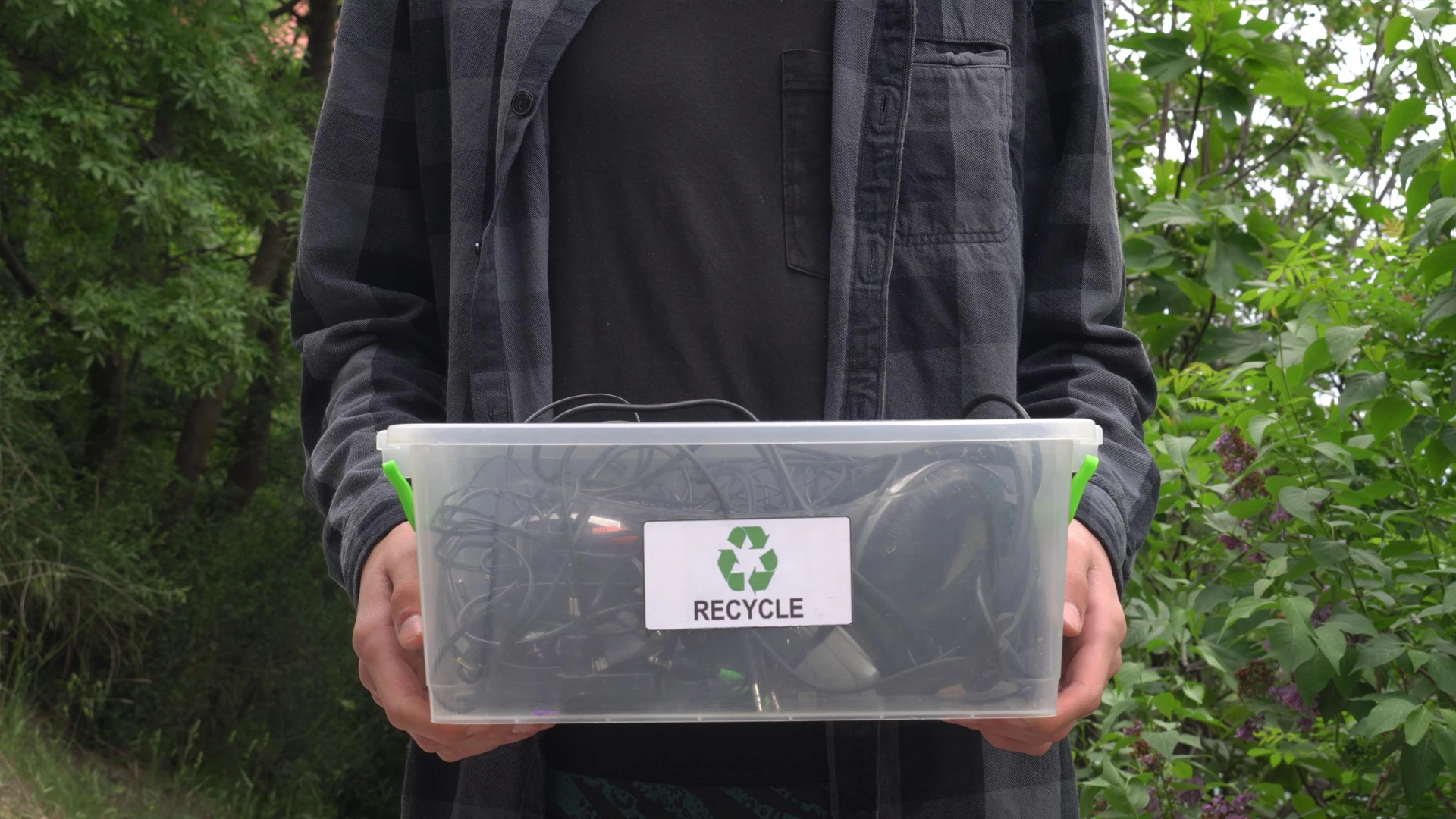
What to Know Before You Start Recycling Electronics
Before you toss out that ThinkPad laptop or outdated Spectrum power box, there’s one important thing you need to think about: your data. Those devices still hold personal info from photos to banking details. The easiest way to recycle your electronics without the worry of this information getting into the wrong hands? Use a certified electronics recycling provider like Element Recycling that follows EPA-backed management and data security standards. Before dropping off your electronic waste, be sure to back up your files to the cloud, wipe devices using secure software or back to their factory settings, remove any SIM or memory cards, and batteries. Taking these steps lets you clear out your tech clutter responsibly and allows you to feel good knowing both your information and the environment are protected from destruction.
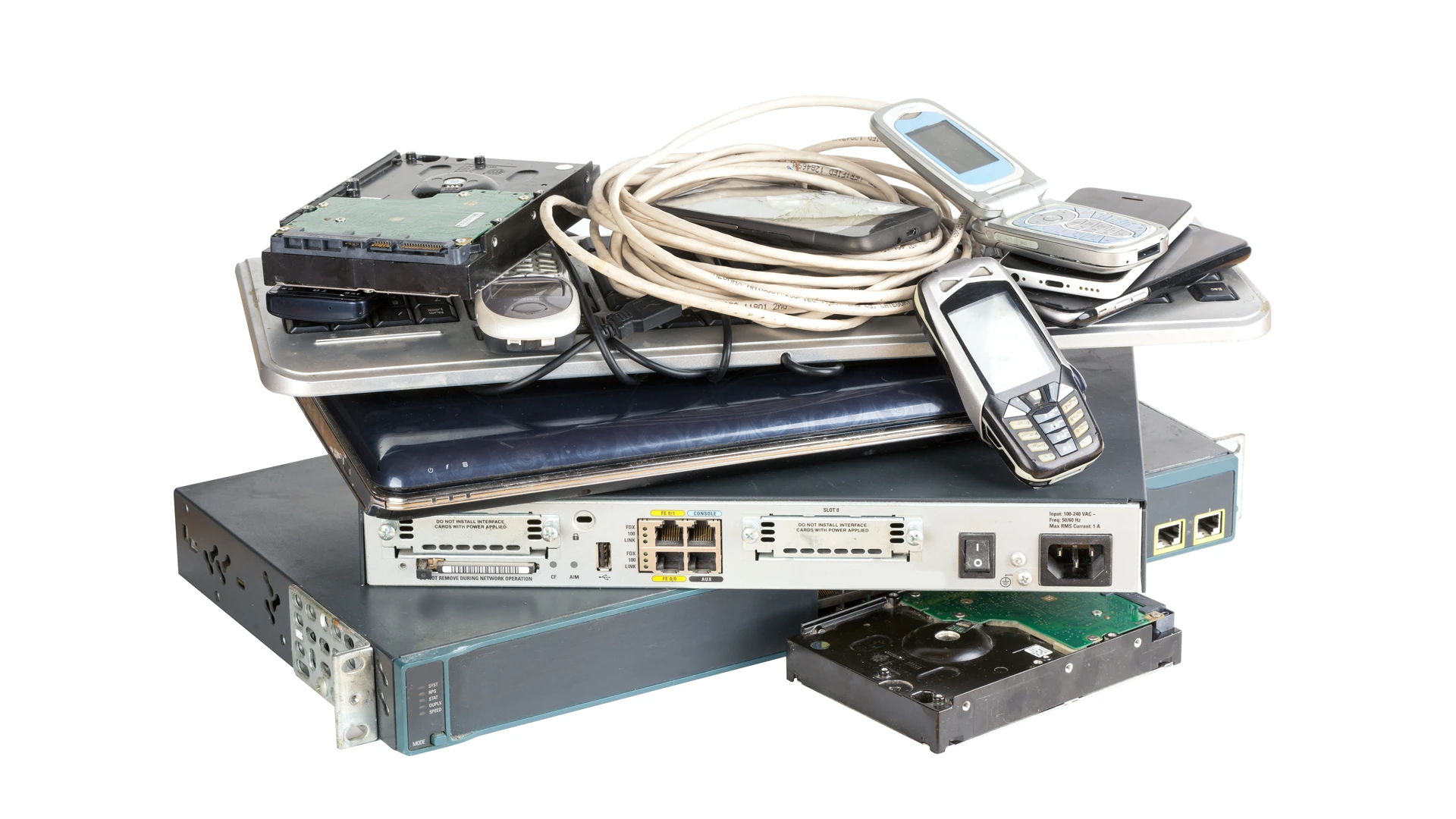
What Electronics are Safe for E-Waste Recycling
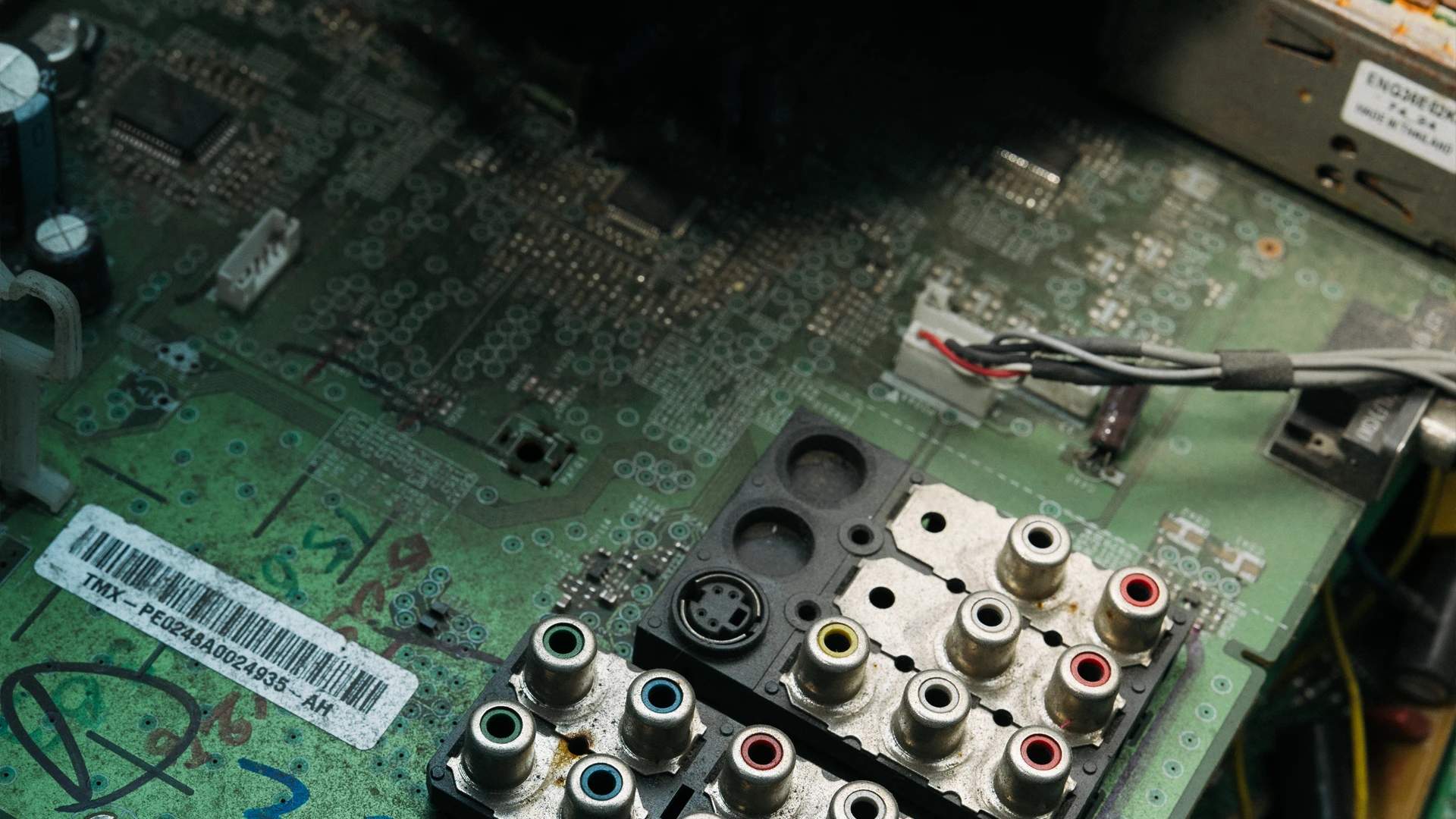
Most electronics have a second life waiting for them, and electronics recycling keeps hazardous e-waste out of landfills. Just to name a few: laptops, desktops, tablets, phones, hard drives, memory cards, CPUs, motherboards, and power cords are all fair game. Using certified services like Element Recycling ensures your devices are safely disassembled and recycled the right way. And clearing out that ‘just-in-case’ tech box in the closet? It’s never been so easy.
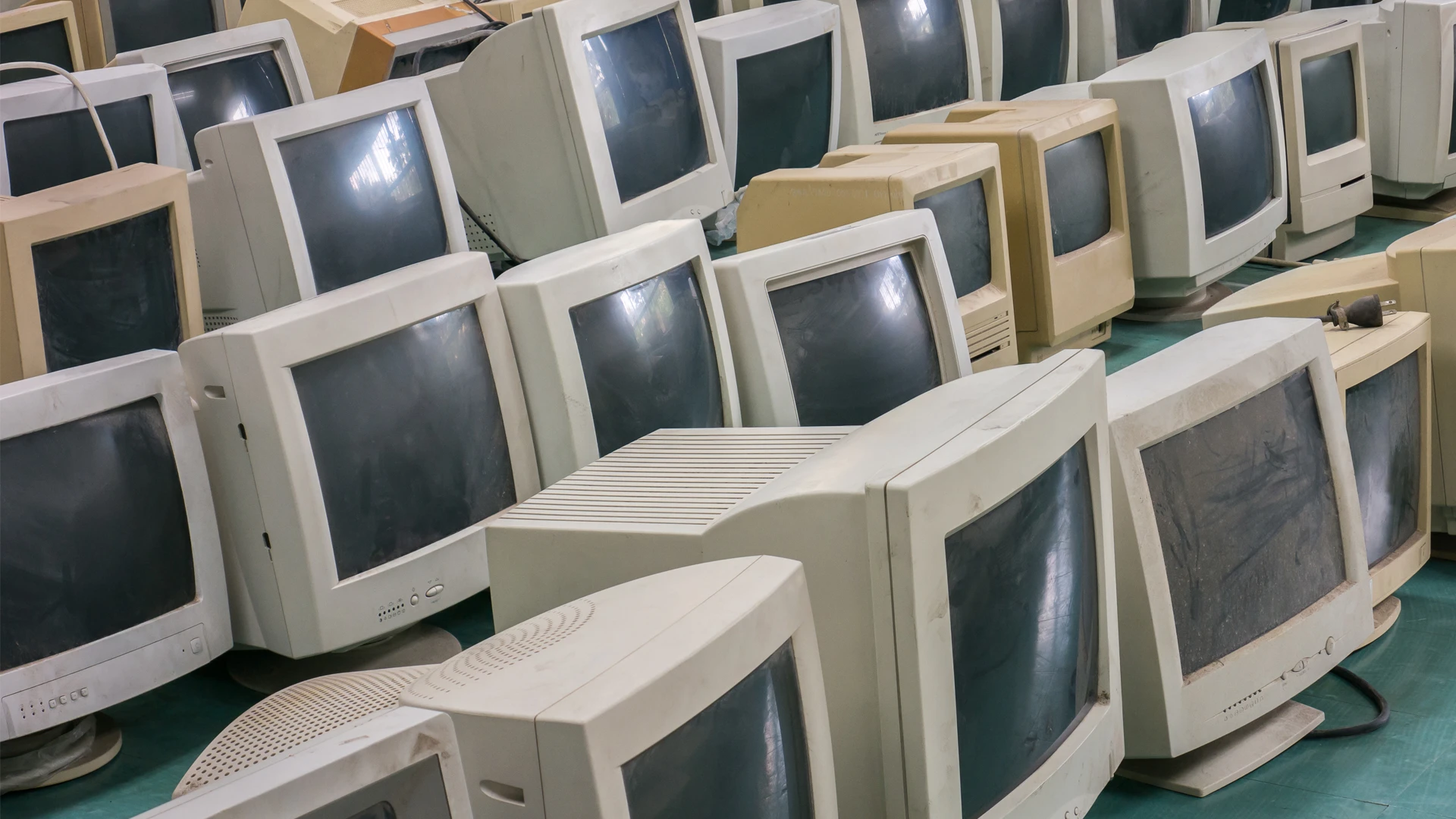
What Electronic Waste is Not Safe to Recycle
We get it; sometimes when you’re ready to declutter, your first instinct is to just toss things right in the trash. But with certain electronics and other metal materials, improper disposal is actually one of the worst decisions you can make. Items like alkaline batteries, CRT monitors, glass, propane tanks, rubber, and other hazardous wastes can be dangerous if disposed of incorrectly. For example, tossing a propane tank into the trash can release chemicals that impact air quality and water quality. Getting guidance from certified recyclers like Element Recycling helps ensure proper disposal and safer waste recycling practices.

E-Waste Recycling Environmental Benefits
Recycling old and unused electronics is about more than simply cleaning out a drawer or finally letting that one laptop go. Believe it or not, every day devices you have lying around your home, like laptops, phones, and yes, every iPhone charger imaginable, still have an impact on the environment long after you stop using them, and where they end up matters. When these types of electronics are recycled properly, they’re kept out of landfills and handled in a way that prevents climate damage and unnecessary emissions.

How Recycling E-Waste Reduces Pollution and Protects Public Health
What happens to your old electronics after you toss them out? Well, it depends on how you handle their disposal. With improper disposal, devices like an old iPod, GameBoy, or Walkman, which are packed with hazardous metals like lead and mercury, will eventually make their way into a landfill. Once these electronics are buried in a landfill, those harmful chemicals can leak directly into the soil and, worse, harm both your water quality and air quality, posing a serious risk to public health. When you recycle these items through a certified e-waste recycling facility like Element Recycling, Best Buy, or Staples, those materials are safely managed through a proper destruction and recovery process that helps to protect not only you, but also wildlife and public health. It also helps keep bulky, slow-to-break-down electronics out of landfills that would otherwise sit there for decades.
How Sustainable Electronics Recycling Saves Energy and Resources
Believe it or not, your old electronics can do more than just take up space in your closet. Making new devices from scratch uses a ton of energy and water, but recycling e-waste helps conserve energy by reusing metals, plastics, and glass that already exist. According to the U.S. EPA, recycling one million laptops saves enough energy to power more than 3,500 U.S. homes for a year. Recycling e-waste also sends valuable materials back to manufacturers, cutting down on the need for new mining or drilling, which lowers emissions, keeps e-waste out of landfills, and protects soil and waterways. All of this helps you finally clear out that pile of old tech you’ve been holding onto for way too long while also lowering climate impact.
Make Your Electronics Recycling Count
From smartphones to televisions, electronics power our lives, and how we handle electronic waste when we’re done with them matters more than you might think. Properly recycling your e-waste helps protect the environment, reduce pollution, and support public health. Wiping your data and taking your devices to a certified recycler makes a real difference. Element Recycling makes it easy. We accept everything from smartphones and laptops to household appliances and vehicles, supporting responsible waste recycling and material recovery.
Ready to clear out your old tech responsibly? Drop off your electronic waste at Element Recycling today.