
If you’ve ever cleaned out a garage or traded metal to a scrap yard, you’ve probably heard the terms ferrous and non-ferrous metals. These terms sound pretty technical, but the difference is simple—ferrous metals contain iron and non-ferrous metals don’t.
In this blog, we’re going to go over all the differences between ferrous and non-ferrous scrap metal. We’ll give you plenty of examples of each metal type and explain why non-ferrous metal is worth more than ferrous metal.
What are Ferrous Metals?
Ferrous scrap metal is any metal that has iron in it. These metals are widely used in the construction, manufacturing, automotive, and energy industries because they’re exceptionally strong. These applications also make them a lot more common than non-ferrous metals.
One of the easiest ways to tell if a metal is ferrous or not is with a magnet. If a magnet sticks to it, it’s probably ferrous. Stainless steel is an exception. Stainless steels are ferrous, but some of them aren’t magnetic. Some alloyed metals and treated metals can be very weakly magnetic, too.
Rust is another giveaway that you have a ferrous metal. Since ferrous metals contain iron, they can rust over time if they get wet. If you see an old, reddish-brown piece of metal, it’s probably ferrous.
These are some of the most common examples of ferrous scrap metal:
- Steel beams + pipes
- Cast iron pans
- Old appliances like washers and dryers
- Car parts
- Metal tools and machinery
What are Non-Ferrous Metals?
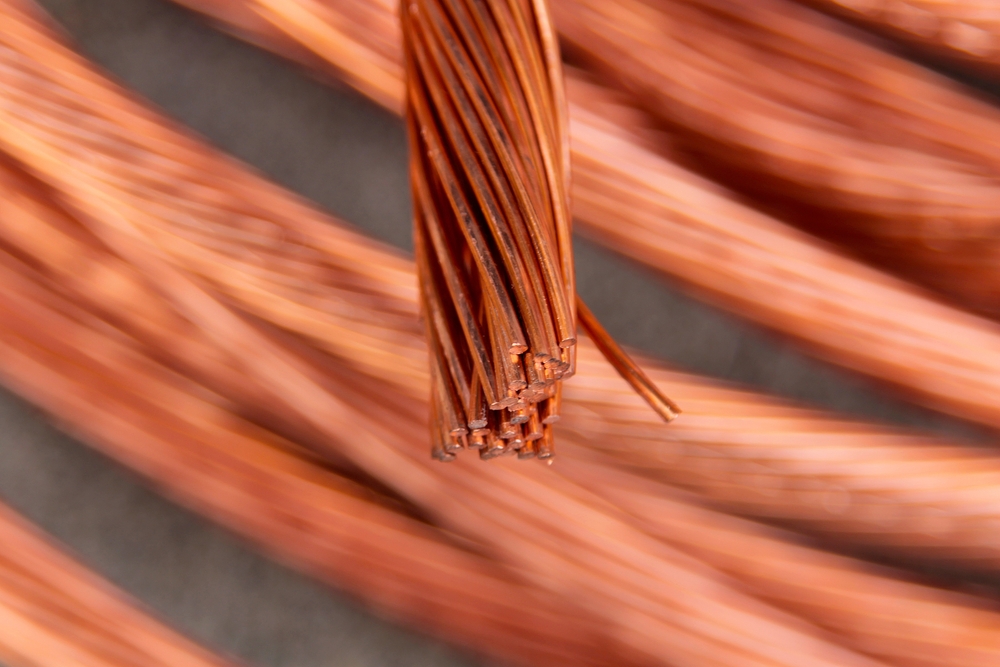
Non-ferrous scrap metal doesn’t contain iron. These metals are usually lighter than ferrous metals. They’re more resistant to corrosion and better at conducting electricity. This is why they’re widely used for wiring and plumbing.
Again, the easiest way to tell whether you have a non-ferrous metal is with a magnet. Non-ferrous metal is not magnetic. If the magnet doesn’t stick to the metal, it’s non-ferrous scrap metal. You also won’t see rust on a piece of non-ferrous metal.
These are some of the most common examples of non-ferrous metals in everyday life:
- Copper wiring
- Copper pipes
- Aluminum cans
- Aluminum siding
- Lead batteries
- Brass fixtures and fittings
Why Non-Ferrous Metals are Worth More
If you’ve ever brought scrap metals to a recycling yard, you already know that non-ferrous metals usually pay out more than ferrous metals like steel or carbon-based metals. But why? Why is it that a small amount of copper or aluminum can be worth way more than a much larger pile of heavier metals?
The answer comes down to these factors:
Higher Demand
Non-ferrous metals like copper and aluminum products are used in a lot of industries. Copper is essential for electrical wiring and electronics. Aluminum is essential for construction and packaging. The higher the demand, the more valuable the metal.
They Don’t Rust or Corrode
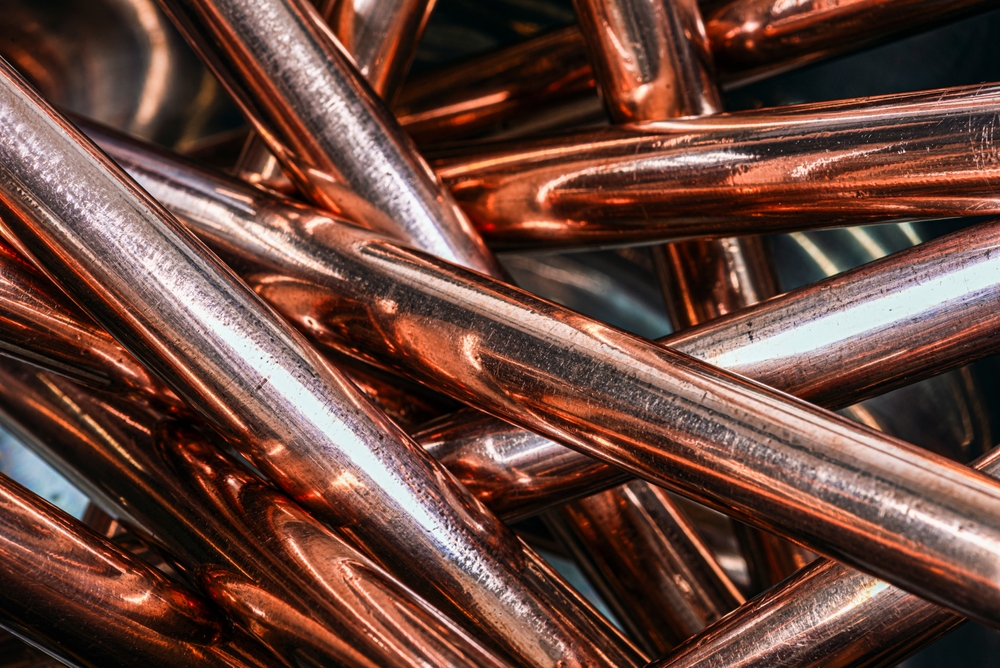
The main difference between these metal types is that ferrous metals have iron, while non-ferrous metals don’t. And no iron means less rusting and corrosion. This makes non-ferrous metals more durable outside. And metals that hold up better are easier to reuse.
They Can Be Recycled Over and Over
Non-ferrous metals can be recycled multiple times without losing much of their original quality. Ferrous metals usually can’t. This recyclability cuts down on waste and makes non-ferrous metals attractive to manufacturers.
Lower Supply than Ferrous Metals
Ferrous scrap is way more common than non-ferrous scrap. Ferrous metals are used in everything from buildings to appliances, so you can always find them. Non-ferrous metals are less common, especially in large quantities.
Understanding The Big Differences Between Ferrous and Non-Ferrous Scrap Metals
Want a quick guide on the differences between ferrous and non-ferrous metals? We’ve got you covered. These are all the differences in one place:
Magnetism
Ferrous metals are magnetic. Non-ferrous metals are not.
Rust
Ferrous metals can rust when exposed to water and air. Non-ferrous metals don’t rust.
Weight
Ferrous metals are usually denser and heavier. Non-ferrous metals are usually lighter.
Value
Non-ferrous metals are more valuable than ferrous metals. Even small amounts of copper and brass can be worth more than large amounts of steel.
FAQs About Ferrous vs. Non-Ferrous Scrap Metals at Element Recycling
Is stainless steel ferrous or non-ferrous?
Stainless steel is ferrous because it contains iron. This one is confusing because some types of stainless steel aren’t magnetic, which can make it seem like non-ferrous metal at first.
Do I need to separate my metals before I bring them in?
No, but it helps if you do. When you sort your metals, we can process them faster.
How do you determine how much my scrap metal is worth?
Payouts are based on the metal markets. We’ll match any local competitor’s prices.
What metal types do you take?
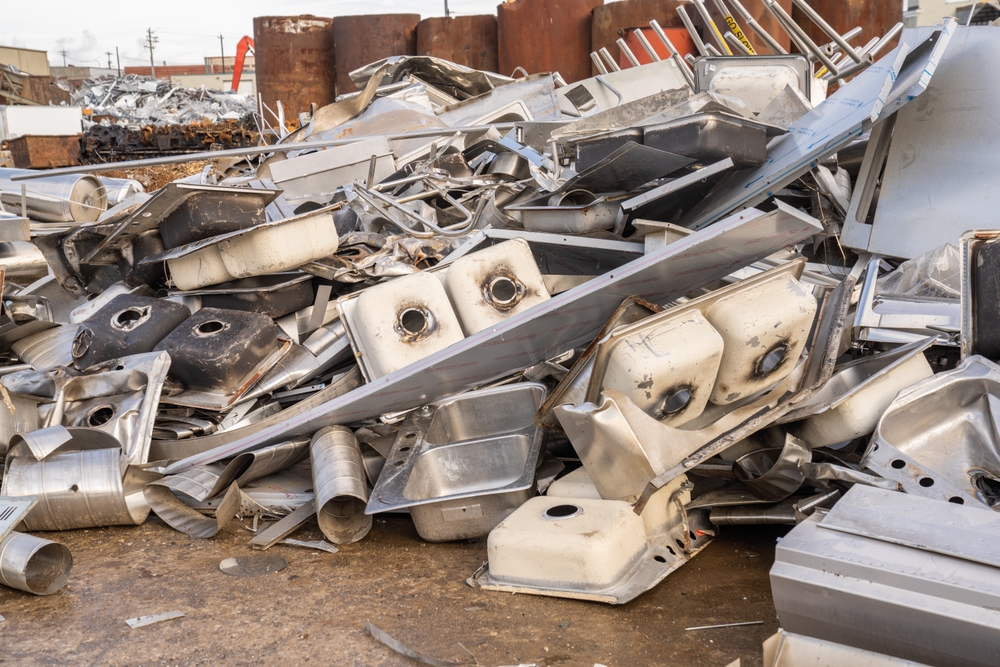
We buy all ferrous and non-ferrous metals, including iron, steel, tin, brass, copper, aluminum, stainless steel, electric motors, catalytic converters, and more.
Can I bring in small amounts of scrap metal?
Yes, we accept both small and large amounts of scrap metal. Our team can help you unload your truck if you have a large amount.
What do I need to bring with me when I visit your recycling center?
You need a valid state-issued ID to sell scrap metal.
Do you pay cash?
Yes, we pay cash and will match any local competitors’ prices.
Contact Element Recycling Today
We Buy Copper, Aluminum, Carbon Steel, Cast Iron & More
Knowing the difference between ferrous and non-ferrous metals helps a lot when you’re sorting your scrap pile. You don’t always have to separate ferrous and non-ferrous metals to trade your scraps to a recycling center, but it helps. We can process your metals faster when they’re in clean and organized piles.
Do you have ferrous or non-ferrous metals to recycle? Bring your scraps to Element Recycling, our recycling company in Omaha, Nebraska. We’ll match any local competitors’ payouts on all ferrous and non-ferrous metals, including steel, iron, tin, brass, copper, stainless steel, aluminum, electric motors, catalytic converters, and more.